
Bluehost renewal pricing catches many website owners by surprise after their initial promotional contract ends. This sudden shift happens because first-year rates are heavily discounted to attract new users. Understanding these mechanics helps you plan your long-term website budget accurately.
This guide clarifies exactly how much your hosting costs will increase after your first term. We focus strictly on the direct financial transition. Please note that this analysis does not cover server performance metrics or alternative hosting features.
Quick Summary
- Renewal rates are typically two to three times higher than promotional rates.
- Longer initial billing terms offer the best overall savings before the rate increases.
- Add-on services like privacy protection also renew at standard non-discounted rates.
Understanding Bluehost Renewal Pricing Mechanics

The transition to standard pricing occurs automatically at the end of your first billing cycle. Most hosting providers use this introductory model to lower the entry barrier for new projects. However, the regular rate represents the actual sustainable cost of the server space.
Your billing cycle length determines when this price change takes effect. If you sign up for a twelve-month plan, the higher rate applies at month thirteen. Choosing a thirty-six-month plan delays this increase for three full years.
Key Factors Influencing Your Renewal Bill
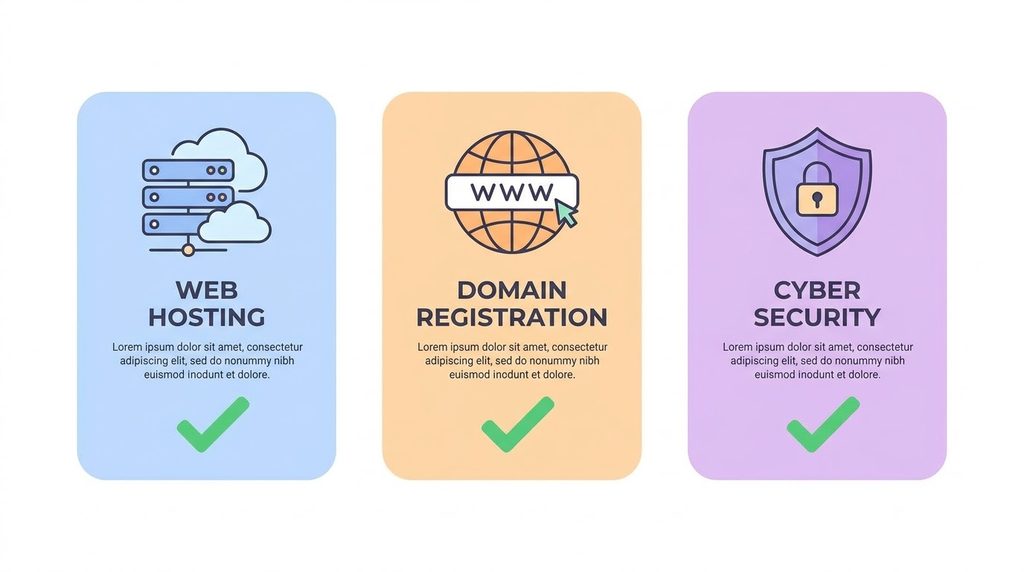
Several hidden factors influence the final amount on your invoice. For example, a free domain name is often included only for the first year. After that, standard registration fees apply alongside your hosting fees.
According to ICANN domain registration rules, domain names must be renewed annually to remain active. This fee is billed separately from your hosting plan unless packaged together. Additionally, automated website backups and security add-ons will renew at their regular prices.
Key Takeaways
- Base hosting costs increase significantly after the first billing cycle ends.
- Domain registration freebies expire after twelve months.
- Optional security add-ons renew at standard individual rates.
| Plan Tier | Introductory Rate (Monthly equivalent) | Standard Bluehost Renewal Pricing |
|---|---|---|
| Basic Shared | $2.95 – $4.95 | $10.99 – $11.99 |
| Choice Plus | $5.45 – $7.45 | $19.99 – $21.99 |
| Pro Shared | $13.95 – $18.95 | $28.99 – $30.99 |
How to Manage and Optimize Renewal Costs
Looking for Blazing-Fast NVMe Cloud Hosting?
ChemiCloud delivers LiteSpeed-powered 100% NVMe storage, free 24/7 migration, a free domain, and an industry-leading 45-day money-back guarantee.
Get Up to 70% Off ChemiCloud Plans Today →Managing your subscription settings before the renewal date is the most effective way to avoid surprises. You can review your active add-ons directly inside your account dashboard. Disabling unused services prevents unnecessary charges on your next billing cycle.
The Federal Trade Commission guidelines on auto-renewals emphasize that consumers must have clear ways to cancel recurring charges. You can toggle your auto-renewal settings at any time before the billing date. Doing so gives you full control over when and how you pay.
Pros of Auto-Renewal
- Prevents accidental website downtime
- Locks in your domain ownership seamlessly
- Requires zero manual intervention
Cons of Auto-Renewal
- Billed at full standard rates automatically
- Harder to budget if you forget the date
- Applies to all active account add-ons
⚠️ Common Issue: Unexpectedly High Renewal Invoice
Symptom: Your credit card is charged much more than the initial sign-up price without prior notice.
Likely cause: The introductory discount expired, and active add-ons like CodeGuard or SiteLock renewed at standard rates.
Resolution: Navigate to the Billing section in your dashboard, select Product Renewal, and turn off any non-essential add-on services before your billing date.
Making the Final Decision
Deciding whether to continue with standard pricing depends entirely on your website’s current value. If your platform generates consistent traffic, the standard rate is a normal operational cost. For small personal projects, you must weigh this cost against your actual needs.
Skip If: You run a temporary project or a low-traffic hobby blog that cannot justify a sudden price increase.
Can I negotiate my Bluehost renewal pricing?
Standard renewal rates are generally fixed. However, contacting support before your renewal date sometimes yields promotional loyalty discounts depending on current retention campaigns.
What happens if I turn off auto-renewal?
Your hosting service will remain active until the end of your current paid term. Once that term expires, your website will go offline unless you manually renew the subscription.
Are domain renewal fees included in the hosting renewal?
No, domain renewals are billed separately. Standard domain renewals typically cost between fifteen and twenty dollars per year after the free first-year promotion ends.